


The 90's Japanese Supercar Photo Thread



 Apr 11, 2012 | 06:03 PM
#53

Teamspeed Rookie
Joined: Apr 2012
Posts: 1

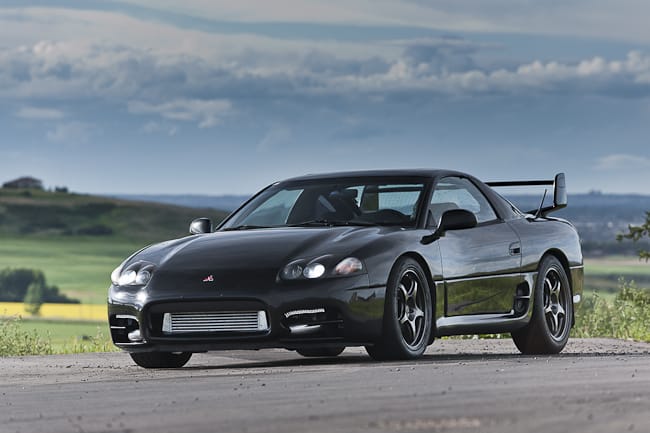
No love for the VR-4...even forgot to include it in the lineup...tsk,tsk. Well, it's my favorite of these 90's sports car for a lot of technical reasons, and I think leaving it out is just plain wrong, so I'll throw in a couple more pictures on it's behalf

I'll be the first to admit it these pictures aren't as great as some of the others, but lets face it the 3000gt didn't really get the same following the other cars did (even if it well deserved one ).
Also I like balancing out
I'm willing to bet he's either not properly informed, or has been miserably beaten by a 3kgt in the past 
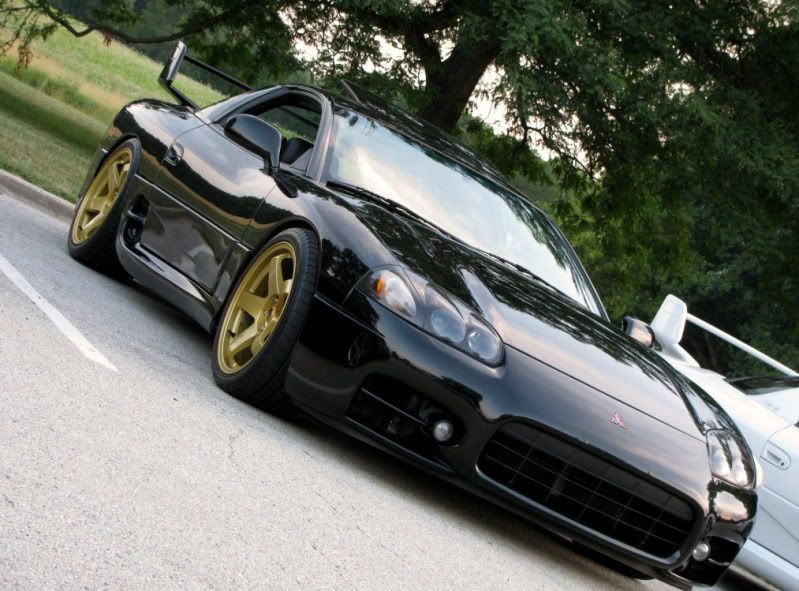


I'll be the first to admit it these pictures aren't as great as some of the others, but lets face it the 3000gt didn't really get the same following the other cars did (even if it well deserved one ).
Also I like balancing out
 .
. 


 May 11, 2012 | 01:21 AM
#58
Teamspeed Pro
Joined: Jan 2008
Posts: 31,554
From: Zoo York

2001 Press Shots:
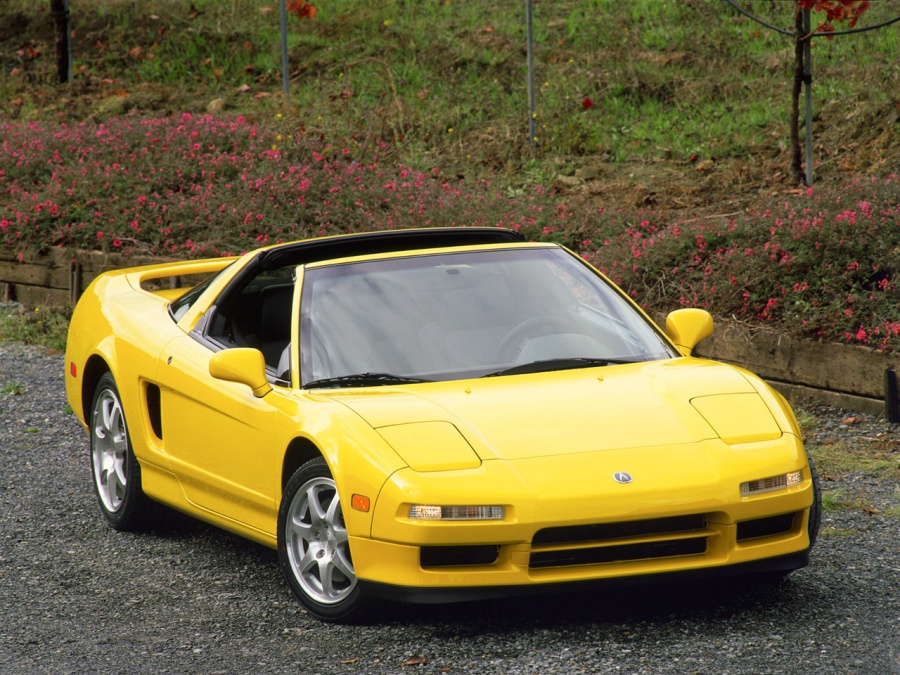
The intention in creating the Acura NSX, first introduced for the 1991 model year, was to produce a hand-built, exotic, mid-engine sports car that would establish entirely new levels of prestige, performance, refinement, drivability and reliability. The aluminum-bodied NSX is designed to represent an entirely new definition of the exotic sports car through state-of-the-art, lightweight technology.
The mid-engine, two-seater NSX offers two distinct powerplants. The standard engine is an all-aluminum 3.2-liter V-6 that produces 290 hp and 224 lb-ft of torque mated to a 6-speed manual transmission. An electronically controlled 4-speed automatic transmission with Formula One-inspired SportShift mode is optional and comes with an all-aluminum, 3.0-liter V-6 that produces 252 hp and 210 lb-ft of torque.
Both engines are normally aspirated and are equipped with dual overhead cams, four- valves-per-cylinder, a Variable Valve Timing and Lift Electronic Control (VTECœ) system, and a Variable Volume Induction System intake configuration. They also offer Programmed Fuel Injection (PGM-FI) and a direct-ignition system that uses six individual coils, one mounted atop each spark plug, instead of a single coil for all six cylinders.
The chassis features all-aluminum construction for light weight. The four-wheel independent double-wishbone suspension also features aluminum-alloy control arms and hub carriers front and rear to minimize unsprung weight for optimum handling. Aluminum subframes for the front and rear suspension further limit suspension mass. The braking system features large-diameter, ventilated four-wheel discs and an advanced four-channel Anti-Lock Braking System (ABS). The sophisticated Traction Control System (TCS) has been designed to help limit wheel-spin and enhance control.
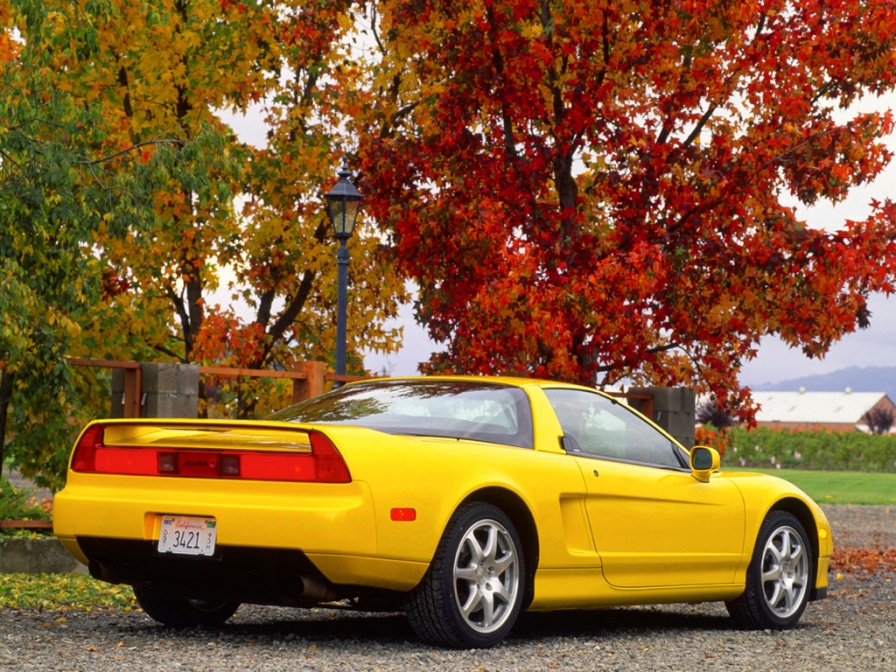
The intention in creating the Acura NSX, first introduced for the 1991 model year, was to produce a hand-built, exotic, mid-engine sports car that would establish entirely new levels of prestige, performance, refinement, drivability and reliability. The aluminum-bodied NSX is designed to represent an entirely new definition of the exotic sports car through state-of-the-art, lightweight technology.
The mid-engine, two-seater NSX offers two distinct powerplants. The standard engine is an all-aluminum 3.2-liter V-6 that produces 290 hp and 224 lb-ft of torque mated to a 6-speed manual transmission. An electronically controlled 4-speed automatic transmission with Formula One-inspired SportShift mode is optional and comes with an all-aluminum, 3.0-liter V-6 that produces 252 hp and 210 lb-ft of torque.
Both engines are normally aspirated and are equipped with dual overhead cams, four- valves-per-cylinder, a Variable Valve Timing and Lift Electronic Control (VTECœ) system, and a Variable Volume Induction System intake configuration. They also offer Programmed Fuel Injection (PGM-FI) and a direct-ignition system that uses six individual coils, one mounted atop each spark plug, instead of a single coil for all six cylinders.
The chassis features all-aluminum construction for light weight. The four-wheel independent double-wishbone suspension also features aluminum-alloy control arms and hub carriers front and rear to minimize unsprung weight for optimum handling. Aluminum subframes for the front and rear suspension further limit suspension mass. The braking system features large-diameter, ventilated four-wheel discs and an advanced four-channel Anti-Lock Braking System (ABS). The sophisticated Traction Control System (TCS) has been designed to help limit wheel-spin and enhance control.

