Korea's new "Supercar"
 Jun 19, 2010 | 08:52 AM
#1
Thread Starter
| Teamspeed Pro
Joined: Mar 2010
Posts: 1,866


Korea's new "Supercar"
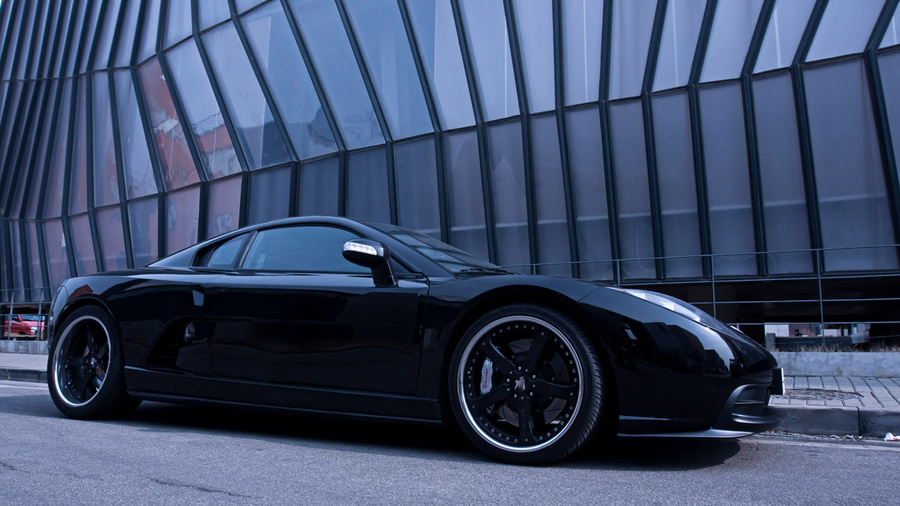
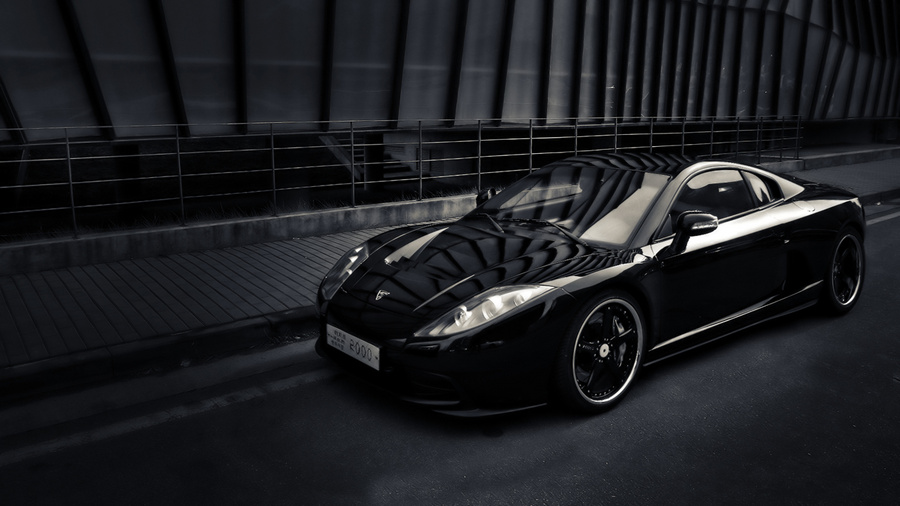
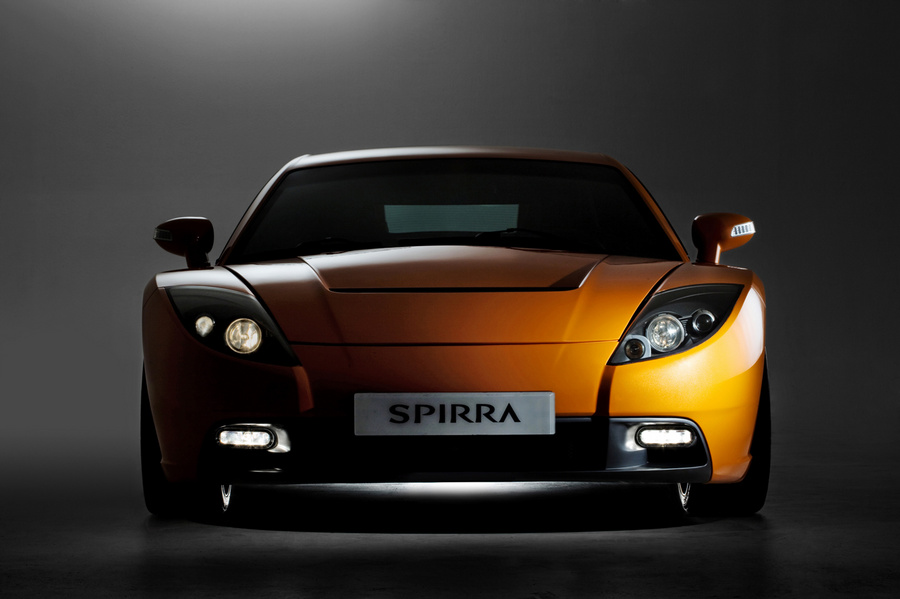
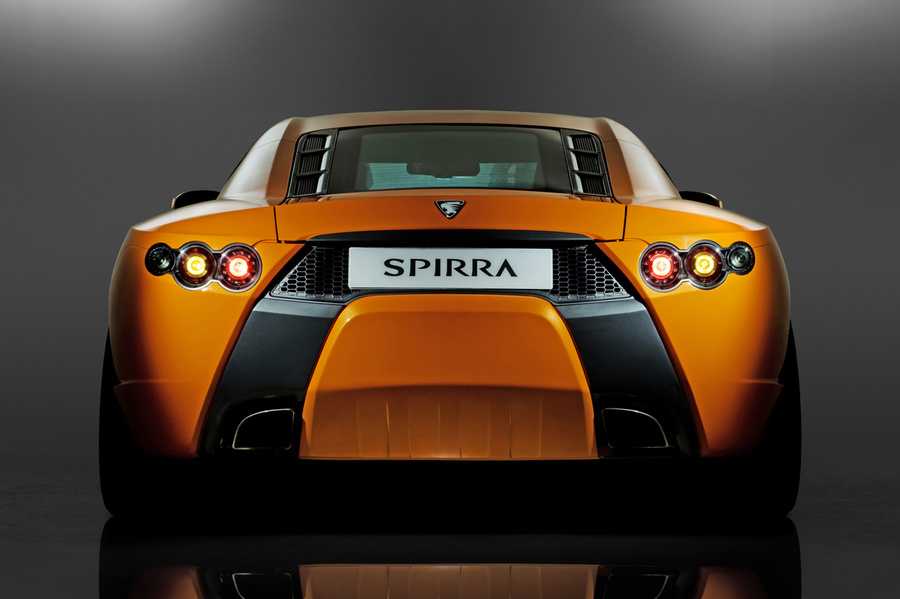
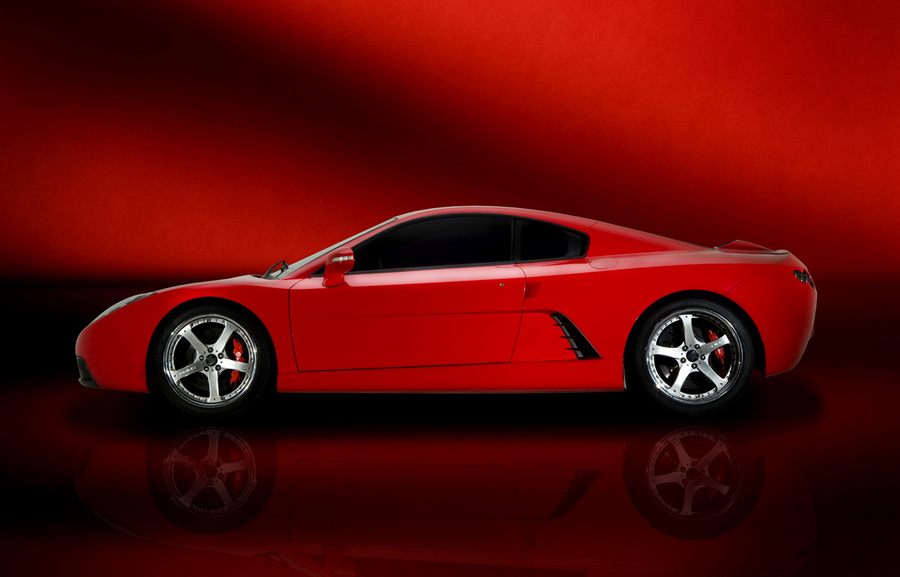
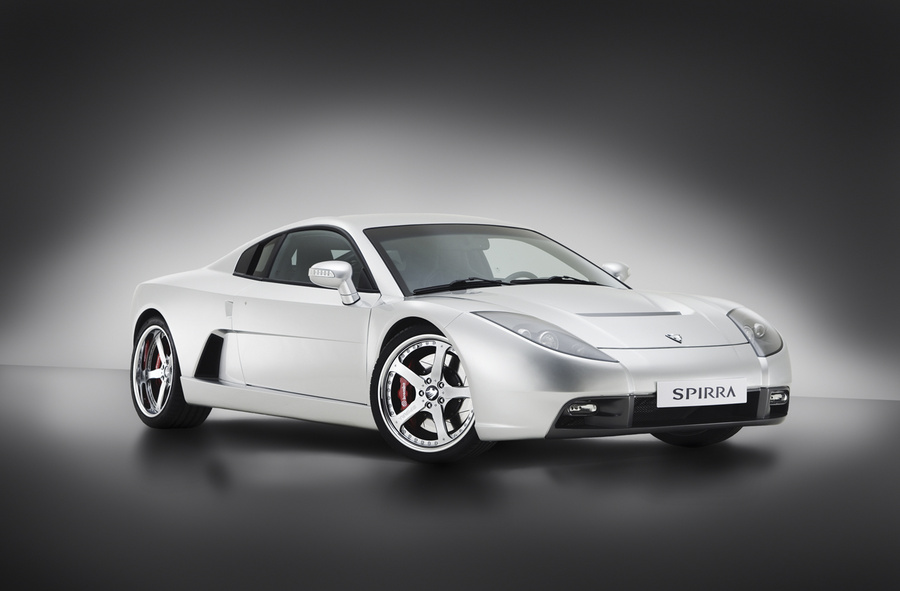
It's been a while since we've heard from Korea's Oullim Motors, creator of the Spirra – the country's first legitimate supercar. And when we say "supercar," we aren't talking about some Mitsuoka Orochi-like creation that looks exotic, but is powered by a weak engine. Quite the contrary – Spirra is the real deal. The official details about Oullim's pride and joy have gone through many revisions over the past few years, but the automaker has just now released the final specs, and might we say, it certainly packs a punch.
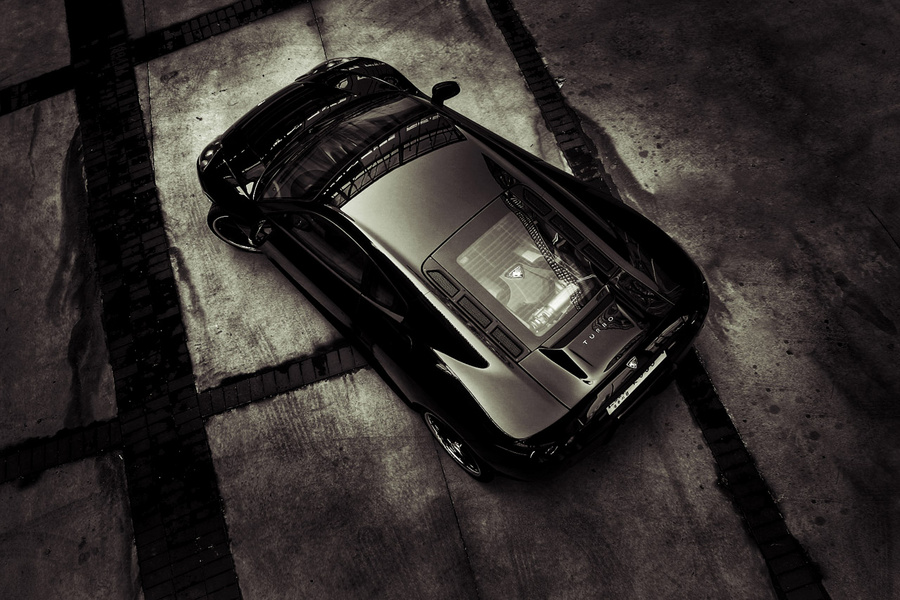
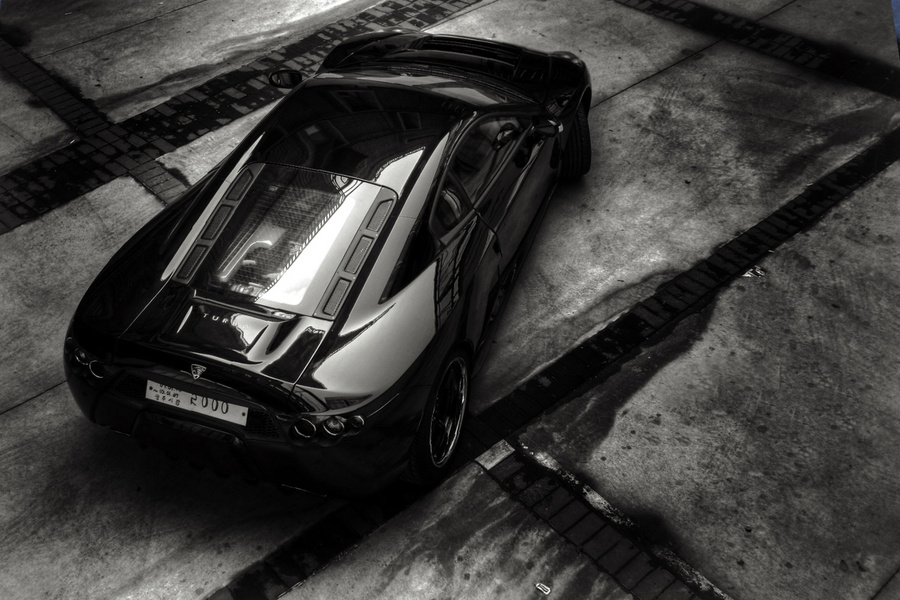
Power comes from a mid-mounted, Hyundai-sourced 2.7-liter V6 which makes 175 horsepower and 181 pound-feet of torque in the base Spirra N model. Not impressive, we know, but as you climb upwards in the model range, that's where things start to get tasty. The Spirra S adds a small turbocharger to that mill, resulting in 330 hp and 347 lb-ft, and Spirra T uses a larger turbo which ups output to 400 hp and 362 lb-ft. At the tippy-top end is the Spirra EX ('EX' for 'Extreme' – seriously), and its twin-turbo V6 cranks out a screaming 500 hp and 398 lb-ft, making this car capable of competing with the likes of Lamborghinis and Ferraris. All models are fitted with a six-speed manual transmission, and power is sent solely to the rear wheels.
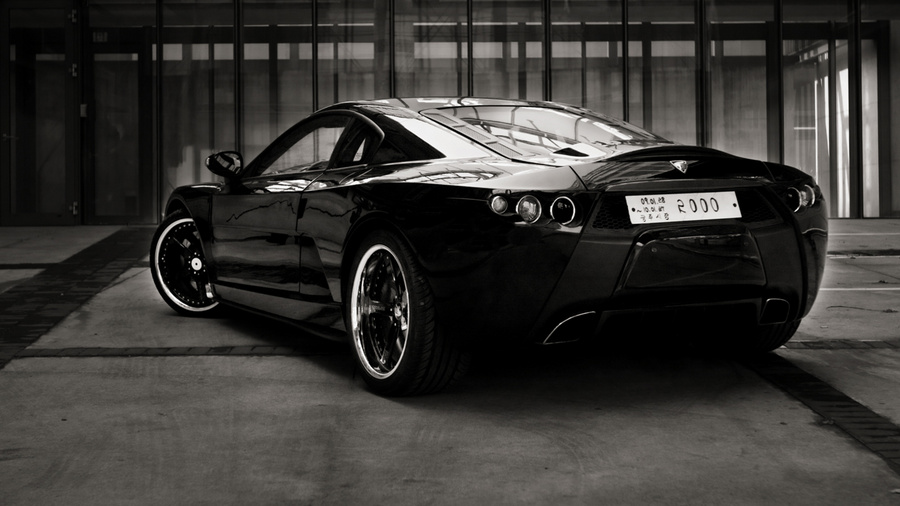
The base Spirra N will run from 0 to 60 miles per hour in a ho-hum 6.8 seconds, but obviously, that number decreases as you add more power, and the EX will run that same jaunt in only 3.5 clicks, on its way to a top speed of 193 mph. And when you consider that the top-rung model only weighs in at 2,646 pounds, it means that this thing is certainly poised to be a real stunner when pushed hard. The Spirra is made up of a carbon fiber body mounted on a tubular spaceframe, and each car is built by hand. Combine that with large wheels (18s for N and S models, 19s for T and EX) wrapped in sticky tires and fitted with beefy Brembo brakes, and you've got a real winner on your hands.
source: autoblog
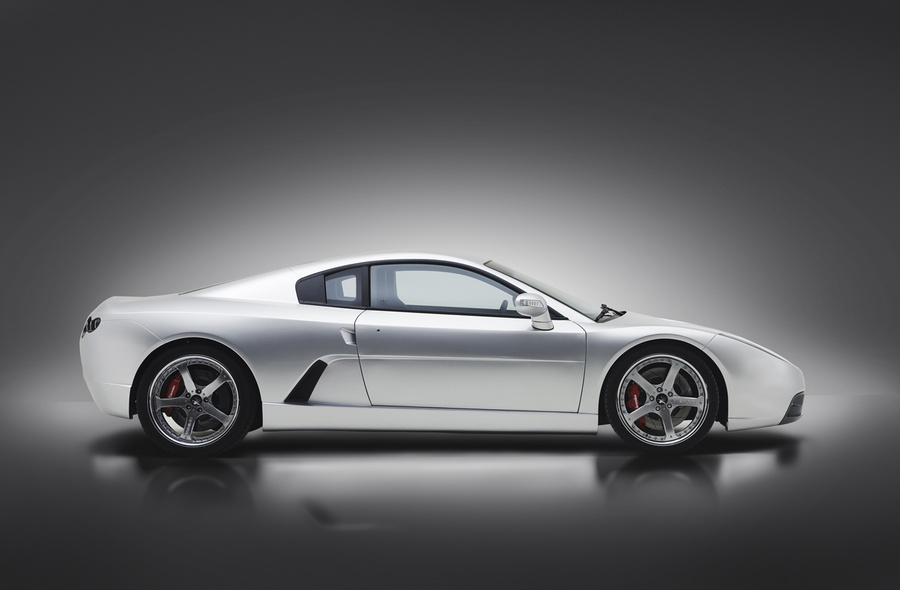
Power comes from a mid-mounted, Hyundai-sourced 2.7-liter V6 which makes 175 horsepower and 181 pound-feet of torque in the base Spirra N model. Not impressive, we know, but as you climb upwards in the model range, that's where things start to get tasty. The Spirra S adds a small turbocharger to that mill, resulting in 330 hp and 347 lb-ft, and Spirra T uses a larger turbo which ups output to 400 hp and 362 lb-ft. At the tippy-top end is the Spirra EX ('EX' for 'Extreme' – seriously), and its twin-turbo V6 cranks out a screaming 500 hp and 398 lb-ft, making this car capable of competing with the likes of Lamborghinis and Ferraris. All models are fitted with a six-speed manual transmission, and power is sent solely to the rear wheels.
The base Spirra N will run from 0 to 60 miles per hour in a ho-hum 6.8 seconds, but obviously, that number decreases as you add more power, and the EX will run that same jaunt in only 3.5 clicks, on its way to a top speed of 193 mph. And when you consider that the top-rung model only weighs in at 2,646 pounds, it means that this thing is certainly poised to be a real stunner when pushed hard. The Spirra is made up of a carbon fiber body mounted on a tubular spaceframe, and each car is built by hand. Combine that with large wheels (18s for N and S models, 19s for T and EX) wrapped in sticky tires and fitted with beefy Brembo brakes, and you've got a real winner on your hands.
source: autoblog


 Jun 19, 2010 | 02:08 PM
#4

Teamspeed Pro
Joined: Apr 2008
Posts: 31,976
From: Minnesota
Really dull styling for a "supercar". The front looks ripped off from Tesla. It's not that it looks bad, it just doesn't look very distinctive.
And, if you're making a "supercar", why would you have different trim levels? Or at least why would you have your 500+ bhp car look the same as one with much less than half the power?
Anyway, here's hoping they get it on the Top Gear test track so we can see a comparison to some previous benchmarks.
And, if you're making a "supercar", why would you have different trim levels? Or at least why would you have your 500+ bhp car look the same as one with much less than half the power?
Anyway, here's hoping they get it on the Top Gear test track so we can see a comparison to some previous benchmarks.